
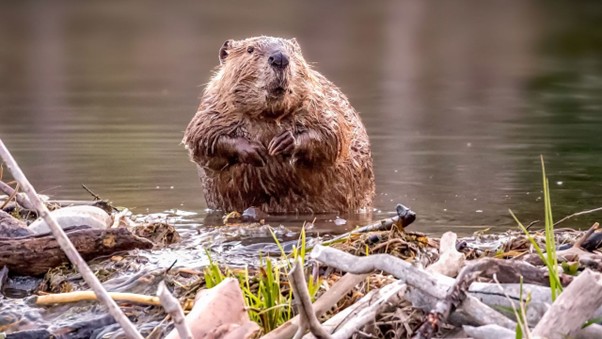
After centuries away, beavers are making a historic comeback in southern England, as conservationists aim to restore natural habitats and river ecosystems. These “ecosystem engineers” are playing a key role in rewilding projects that could benefit wildlife and people alike.
Cornwall Leads the Way
In February 2026, conservation groups oversaw the release of two pairs of Eurasian beavers into rivers in Cornwall, marking one of the first fully licensed wild beaver reintroductions in England. These beavers are now exploring the Par and Fowey river catchments, helping scientists and conservationists study their impact on local ecosystems.
Expanding Rewilding Efforts
Cornwall is not the only area seeing beaver activity:
• In the South Downs, conservation organisations have released beavers into a valley to encourage wetland creation and improve habitats for amphibians, birds and native plants.
• Community rewilding initiatives are monitoring beavers that have naturally dispersed into rivers in Somerset.
• Urban conservation projects in west London are studying how these animals interact with waterways in city environments.
Why Beavers Matter
Beavers shape landscapes in ways that help both wildlife and humans:
• Their dam-building creates ponds that support birds, fish and insects.
• They slow water flow, reducing erosion and improving water quality.
• Wetlands created by beavers can help manage flooding and drought.
These activities show that reintroducing beavers is not just about one species; it is about revitalising entire ecosystems.
Legal and Scientific Backing
The UK government now allows licensed beaver reintroductions, with environmental authorities overseeing approvals. This ensures that releases are carefully managed and monitored, balancing ecological benefits with landowner concerns.
The Future of Beavers in England
With licensed releases growing and rewilding projects expanding, beavers are expected to become a more common sight in southern rivers. Conservationists hope their presence will continue to enhance biodiversity, improve river health and inspire further restoration efforts across the country.
Image Source: BBC News